
Alumni in Accessibility RECAP:
Nandita Gupta and Accessible AI
Lauren Lee | September 23, 2026 – Atlanta, GA
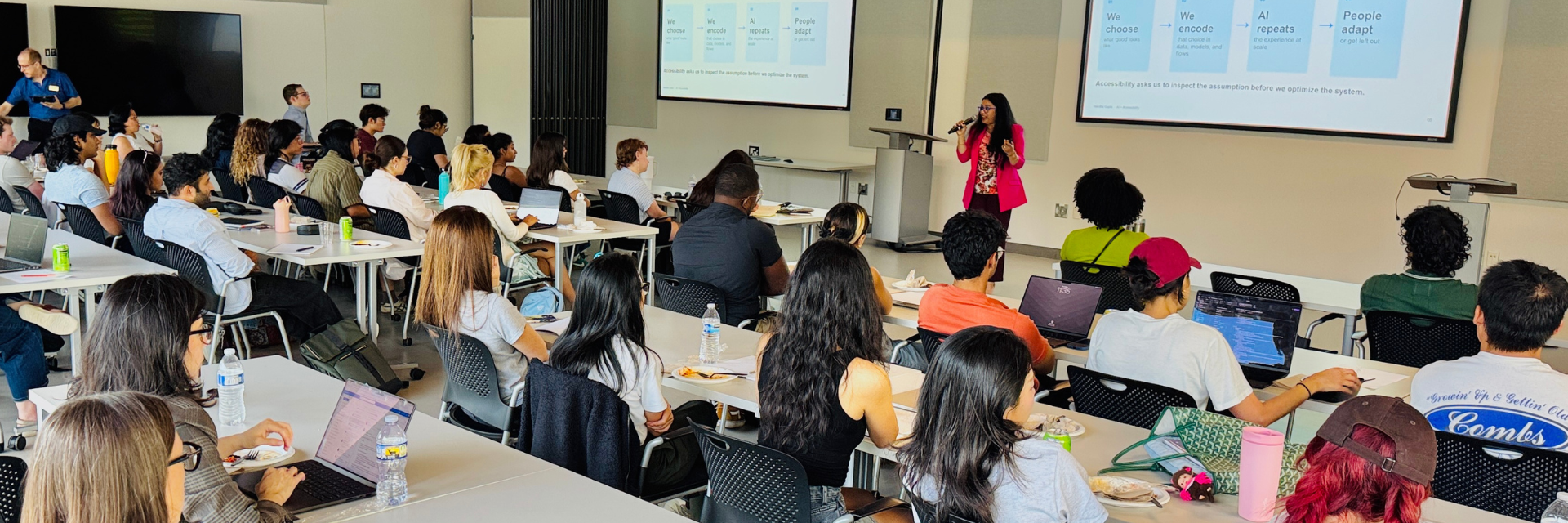
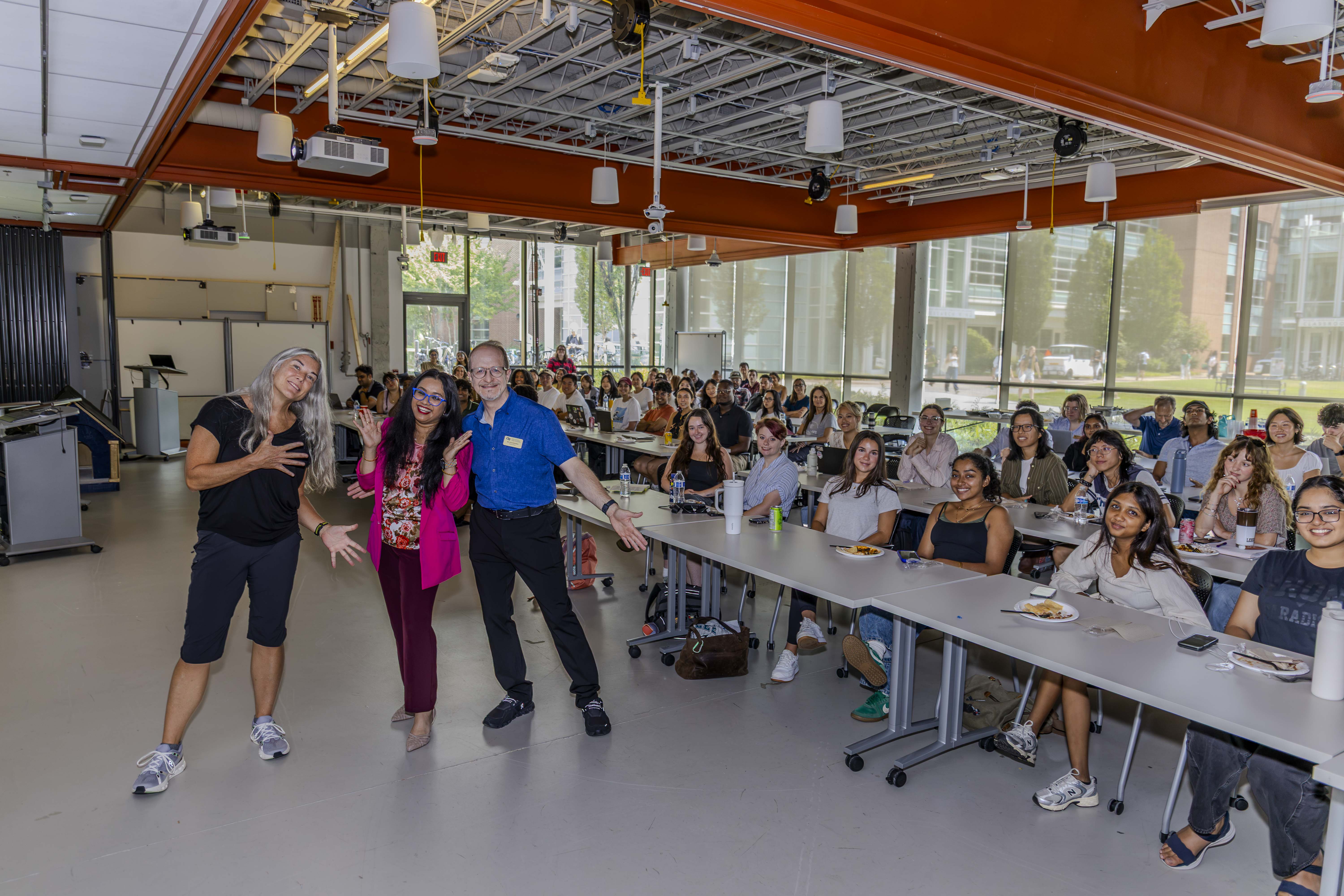
CIDI recently welcome Georgia Tech MS-HCI alumna Nandita Gupta, Senior Product Manager for AI and Accessibility at Cisco, for the second installment of our Alumni in Accessibility series.
Drawing on more than a decade of experience at the intersection accessible AI and inclusive design, Gupta challenged attendees to rethink how emerging technologies are designed and who they are designed for.
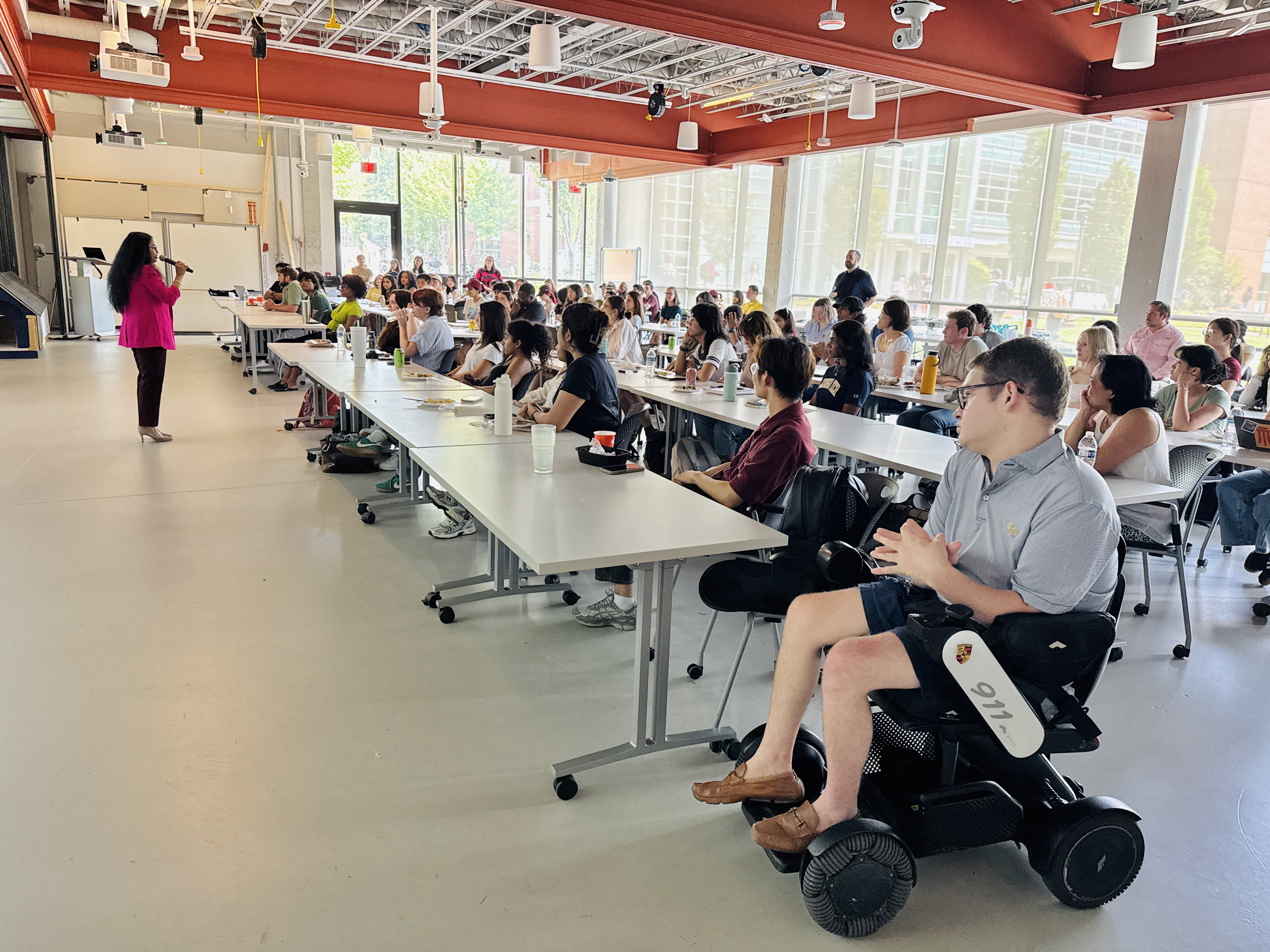
In her presentation, The Accessibility Lens: How to Build AI Products That Work for Everyone, Gupta emphasized a central theme: AI is not inherently neutral. The values, assumptions, and decisions embedded into the data that the models are trained on are duplicated into the final product.
“Exclusion can now scale faster than ever,” said Gupta.
Rather than beginning with AI itself, Gupta took the audience back to the invention of the telephone, using the story of Alexander Graham Bell. Bell's work was shaped in part by his personal connections to deaf family members.
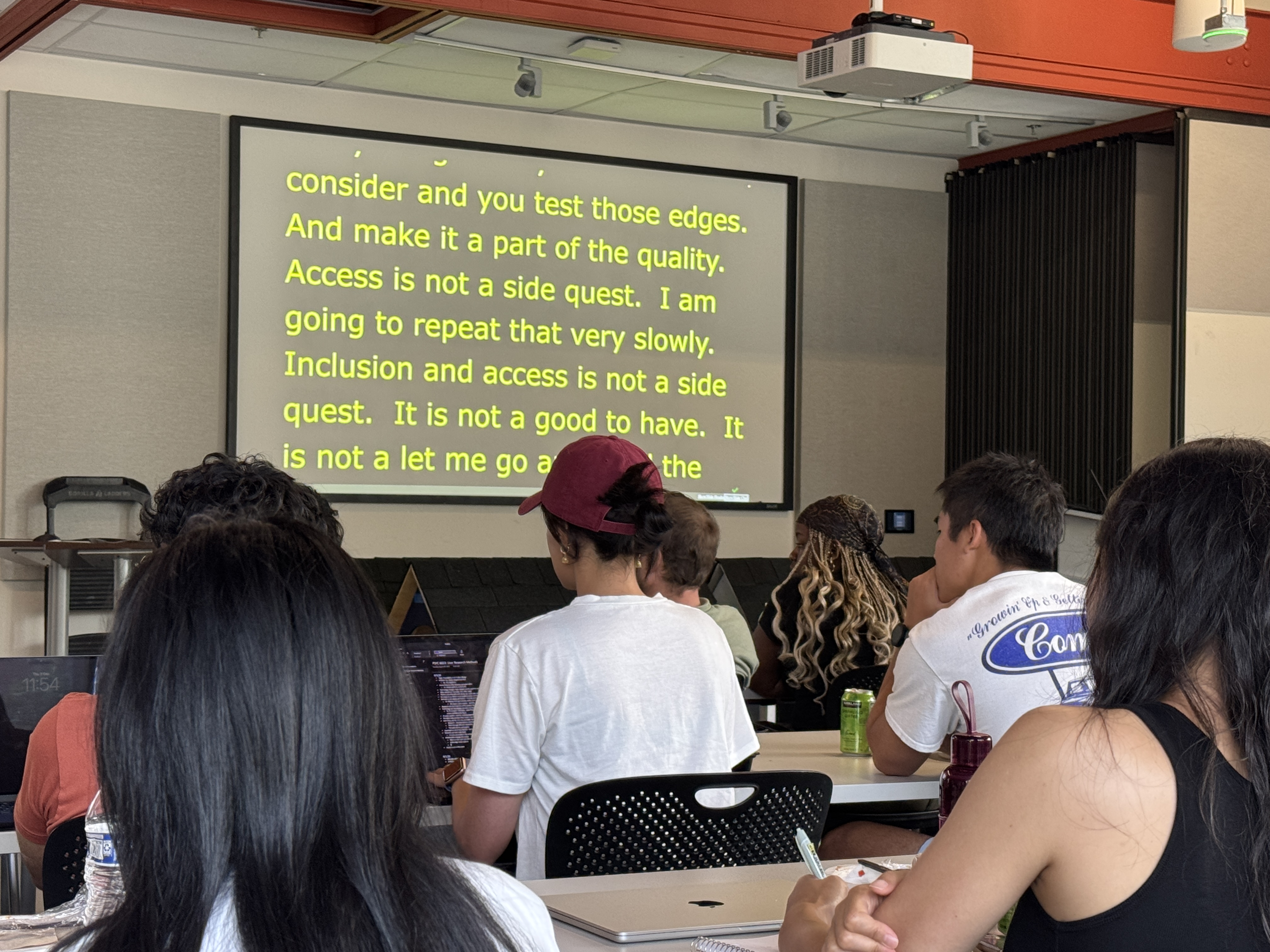
“Need changes the question, and the question changes the invention,” said Gupta. “When we design for the edge cases, we end up benefitting everyone else.”
Throughout the presentation, Gupta highlighted the "curb-cut effect," the idea that solutions originally developed to support people with disabilities often create benefits for a much broader audience. Closed captions, audiobooks, voice interfaces, real-time transcription, and translation tools were among the examples she shared.
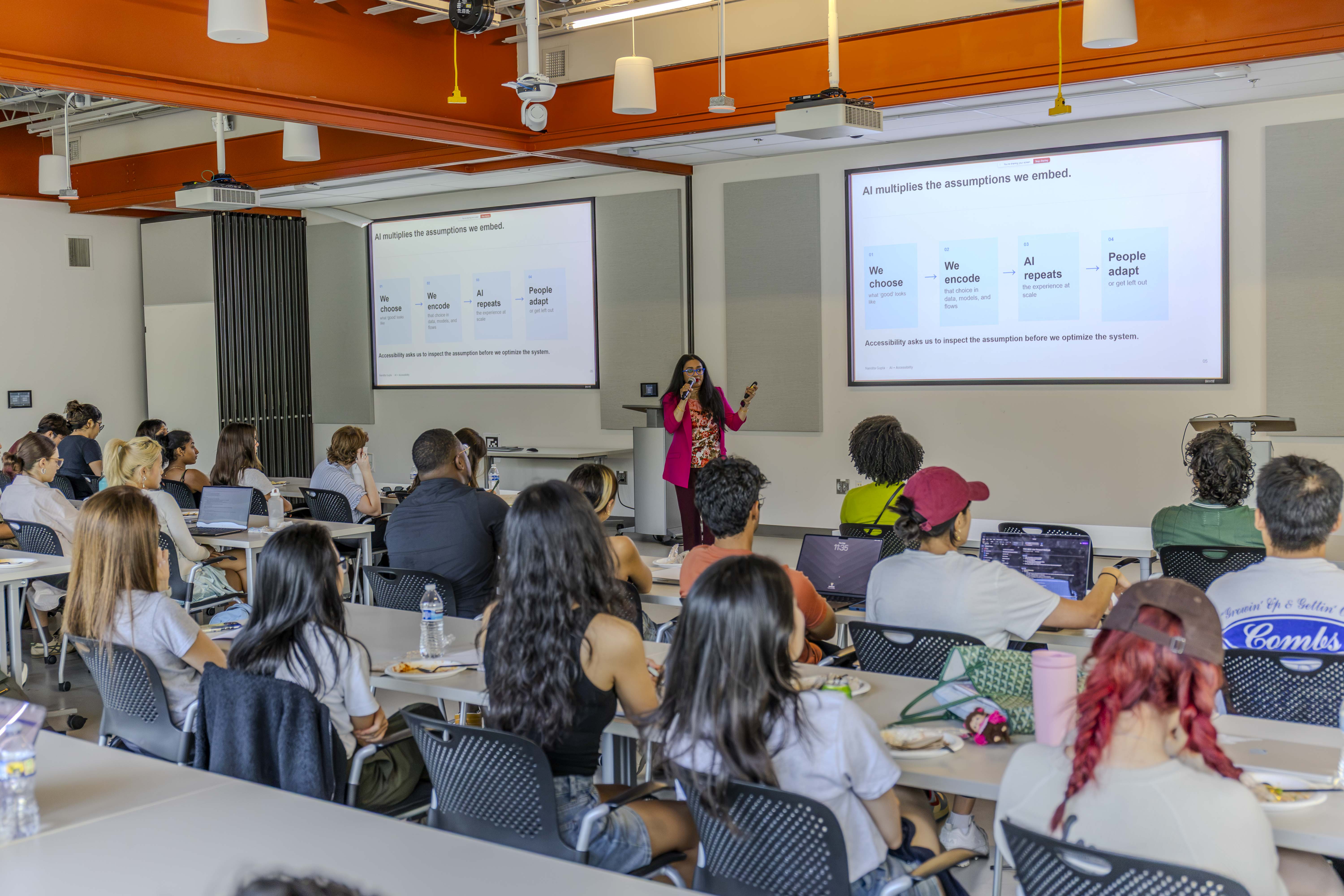
As the conversation turned to AI, Gupta encouraged participants to reflect on moments when technology had either empowered them or excluded them. She noted that exclusion is not always permanent; it can be temporary, situational, or contextual.
To help attendees apply these ideas in their own work, Gupta offered practical guidance:
- Invite people with lived experience into the design process early
- Test beyond the "average" user
- Treat accessibility as a core measure of quality rather than a final review step
“Access is not a side quest,” she quipped.
Closing on a human-centered note, Gupta reminded attendees that accessibility is ultimately about people, not technology. As AI continues to transform how we work, learn, and communicate, her message was clear: the future of this technology depends not only on what it can do, but on who gets to shape it.
Register for our next speaker series:
