
10 Gifts that are Surprisingly Helpful
for People with Disabilities
By the Tools for Life Team and Lauren Lee | December 1, 2025 - Atlanta, GA
1. Give them something fuzzy and cozy
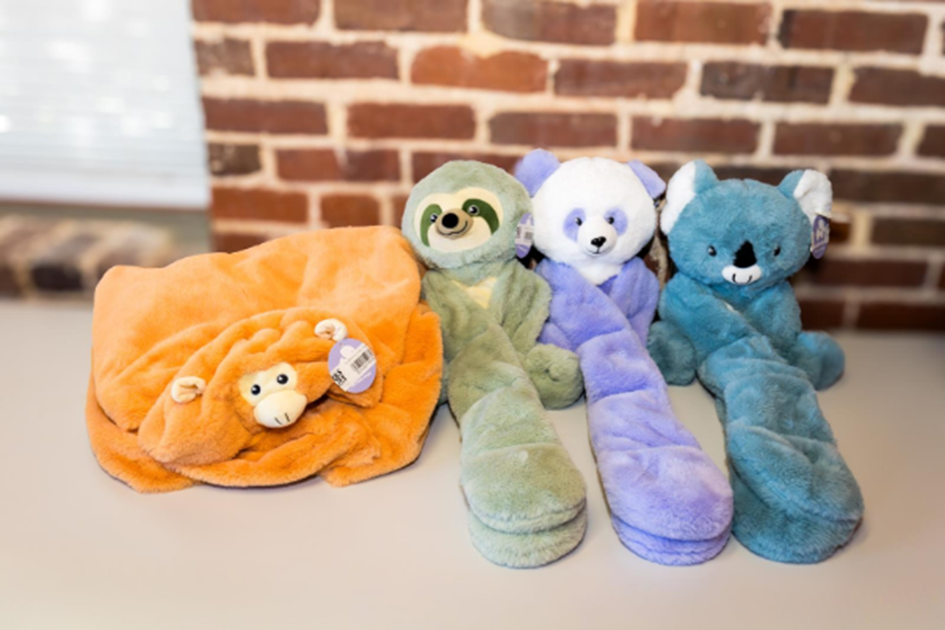
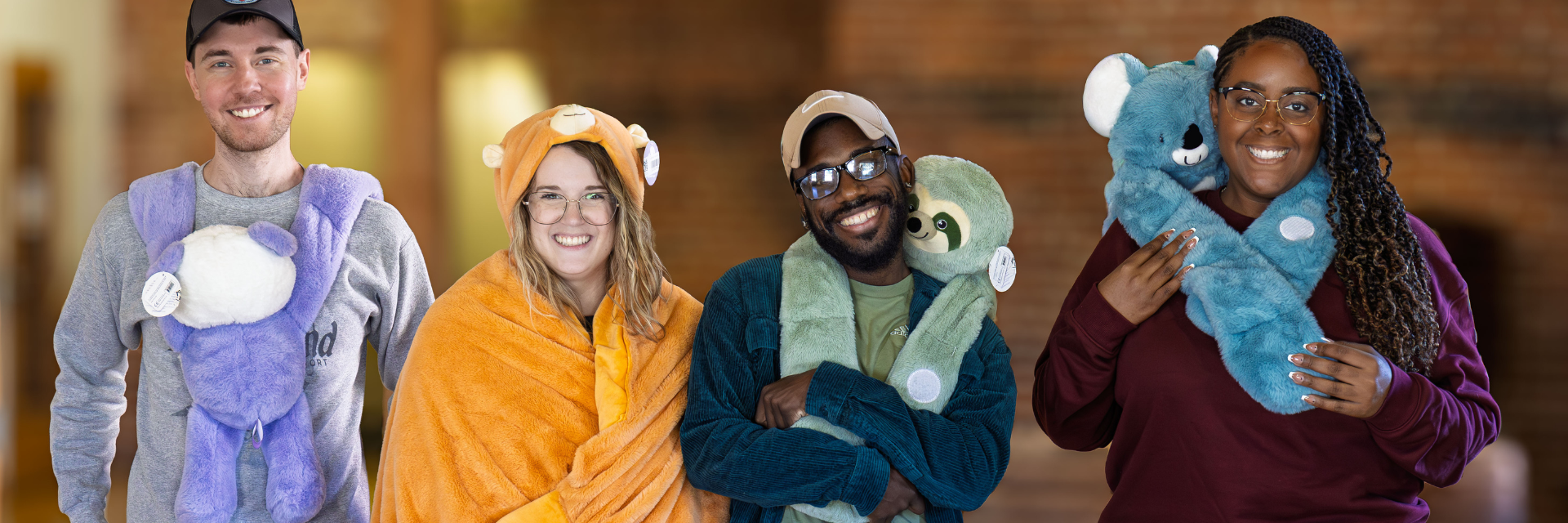
Weighted plushies, blankets, cozy hoodies, and soft stuffed animals aren’t just cute and comforting; they can be powerful tools for wellness.
These sensory-friendly gifts provide gentle pressure and warmth, which may help calm anxiety, ease symptoms of ADHD, and offer soothing comfort for those with autism.
Weighted items mimic deep-pressure therapy, promoting relaxation and better sleep, while heat can help alleviate chronic pain and even provide comfort for conditions like endometriosis.
2. Help them out with housework
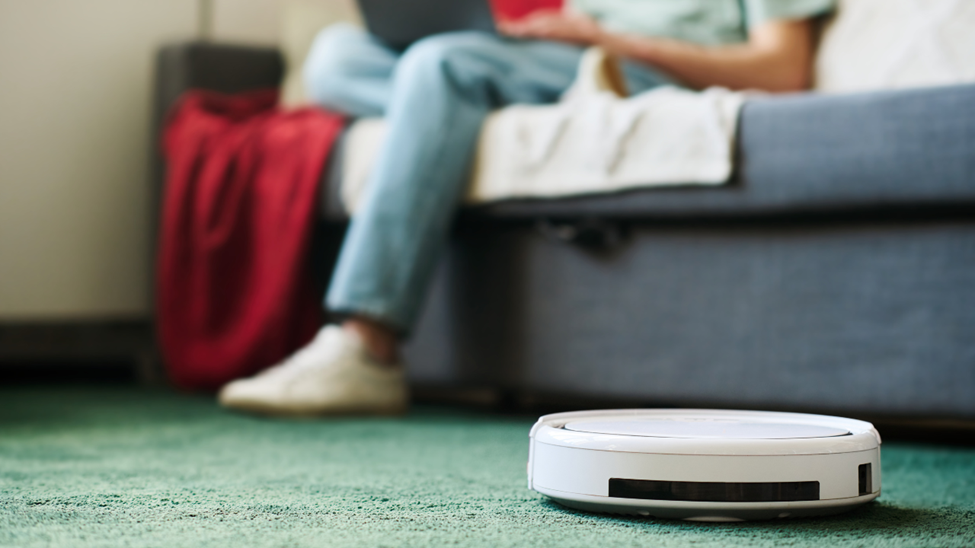
Keeping our homes clean is important for our physical and emotional health. But what if someone can't clean due to a disability like limited mobility, autoimmune disorders, or arthritis? A robotic vacuum might be the best helper and solution.
Robotic vacuums help save time and energy. Plus, since there's no cord, there's less chance of falling or tripping while cleaning. Just relax and let your vacuum do the work!
3. Learn something new
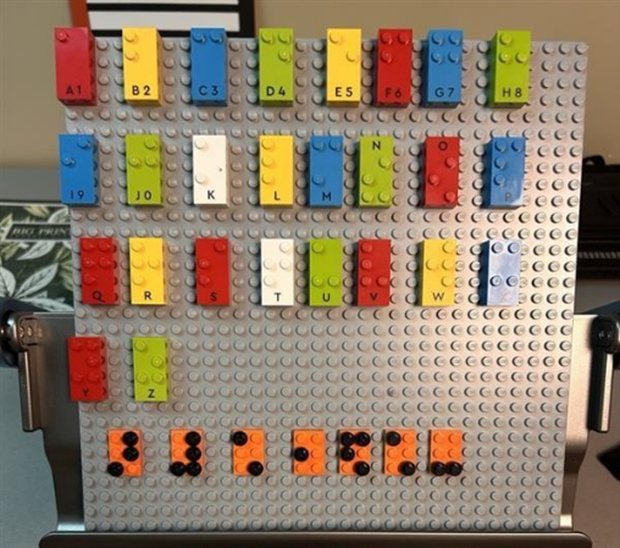
Braille is a tactile system of writing for people who are blind or visually impaired. While it’s technically not a language, it is a different way of thinking about literacy and learning.
Learning more about braille can be as easy as a new set of building bricks. Tactile building blocks are a fantastic way to make learning engaging for kids and adults with vision impairments, helping them practice reading and math in a hands-on way.
These tactile braille building blocks are amazing for adults and children with visual impairments, but they can also be a unique gift for the polyglot in your family.
The more people who know braille, the more braille there will be for those who need it!
4. Keep toiletries organized
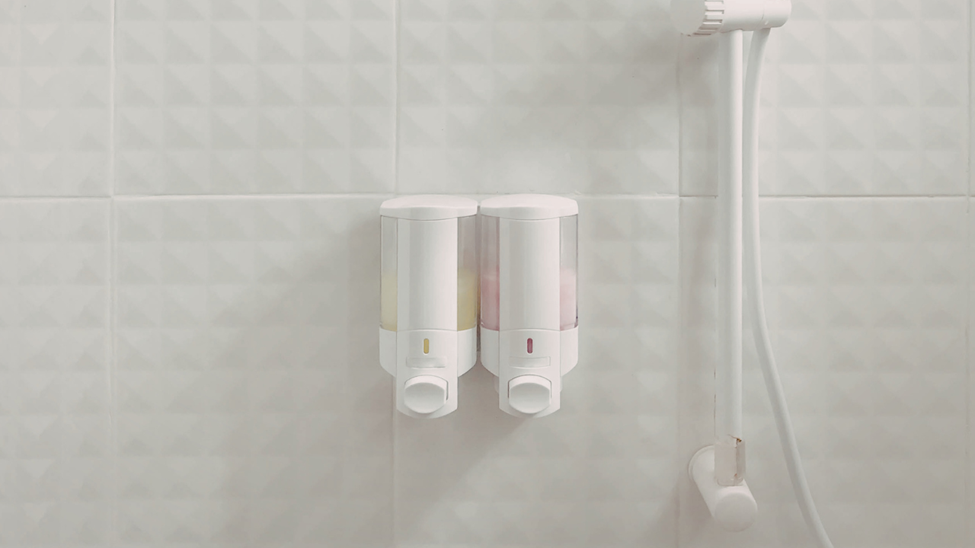
Have you ever been to a fancy hotel where the shampoo and conditioner come in dispensers attached to the wall? That is also something you can do at home and can be helpful for a wide variety of people with disabilities.
For people with fine motor difficulties or hand pain, pressing a button is much easier than opening a fiddly shampoo container. For people with memory or vision impairments, having shampoo, conditioner, and body wash in the same place every time can be of immense assistance.
5. Throw back a cold one
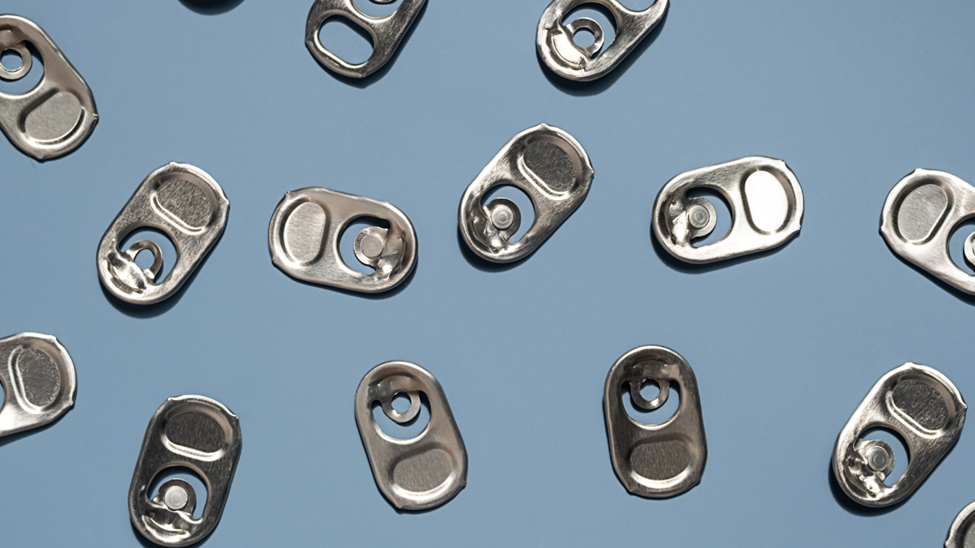
There’s nothing better than having a cold one with the people you love. For some people with fine motor difficulty or hand pain, they may have to ask for assistance with a tab, which inhibits independence.
There are hundreds of varieties of tab openers, which add leverage to decrease the amount of force needed to open containers. They can be used not only for beverages, but pet food, soup, and anything else that has a tab. Best part—they make great stocking stuffers, too!
6. Practice calm to overcome sensory overwhelm
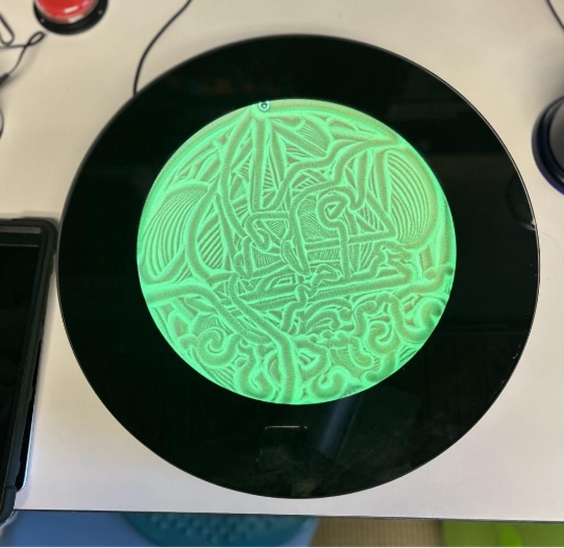
Everyone gets a little overwhelmed sometimes. For people with autism or ADHD, emotional regulation can be difficult. This is where AT can make a difference.
A robotic sand art table is a helpful tool that creates a supportive environment to help focus on calming down. You can choose a design, or create your own, and watch the marble slide around the sand. While the sand art is forming, you can practice breathwork and direct your attention away from your anxiety and frustrations.
7. Stuff their stockings with fidgets
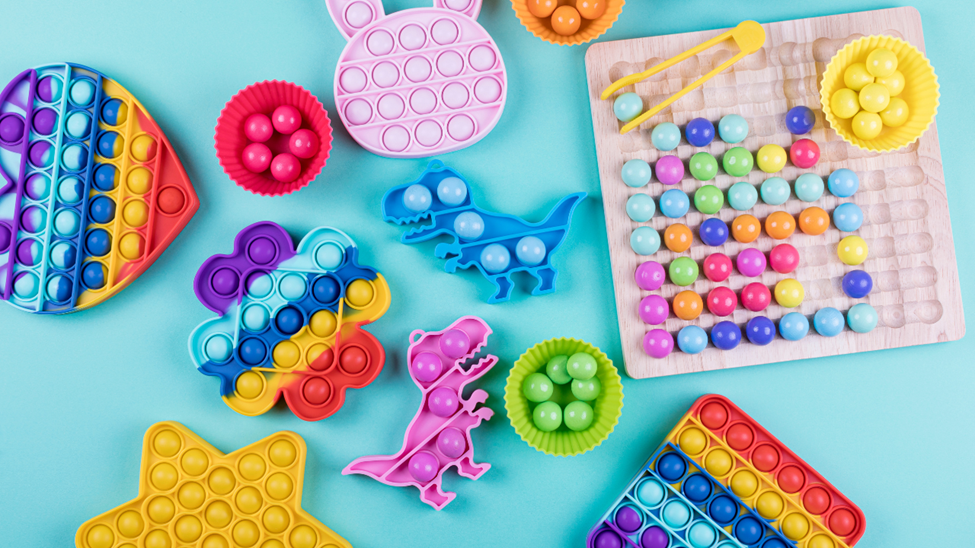
Looking for a fun stocking stuffer? Fidget toys are a fantastic choice! Many fidget toys are small and affordable. They are excellent tools to help stay focused on tasks at home, at work, and at school.
Sometimes having a fidget toy can be especially helpful because it reduces the urge for bad or harmful habits, like biting your nails, picking your skin, or pulling your hair.
There is a wide variety of fidget toys, from spinners to switch cubes! There are even less colorful fidgets for adults in professional settings.
8. Make work just a little easier
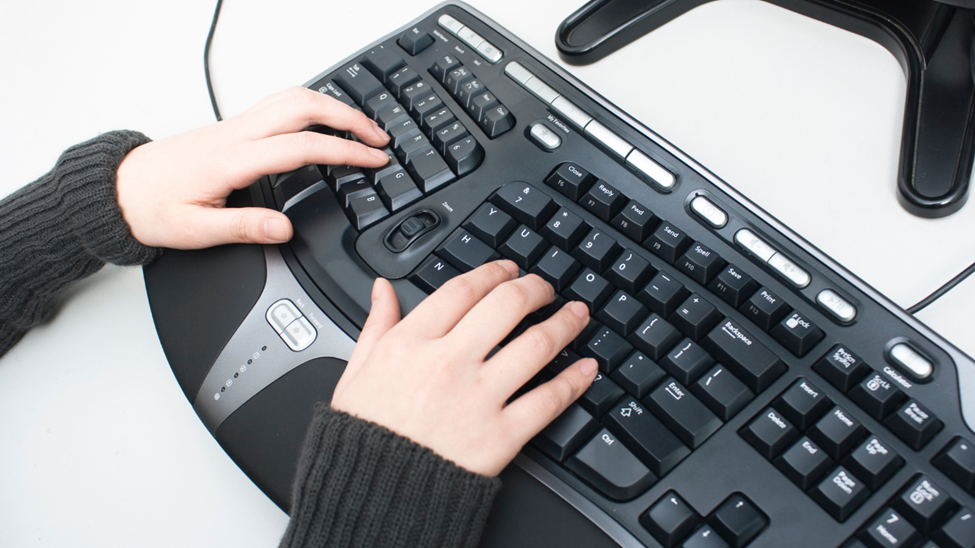
For people who work desk jobs, the right ergonomic mouse or keyboard can make a world of difference. For some people with disabilities, it can be the difference between working and not working.
There are all kinds of office ergonomics available: high contrast keyboards for those with vision difficulty, vertical mice for those with limited mobility, braille keyboards for those who are blind or visually impaired, color-coded keyboards for those with dyslexia—the list goes on.
Are you interested in learning more about people with disabilities in the workplace? Check out our research.
9. Keep healthy with wearables
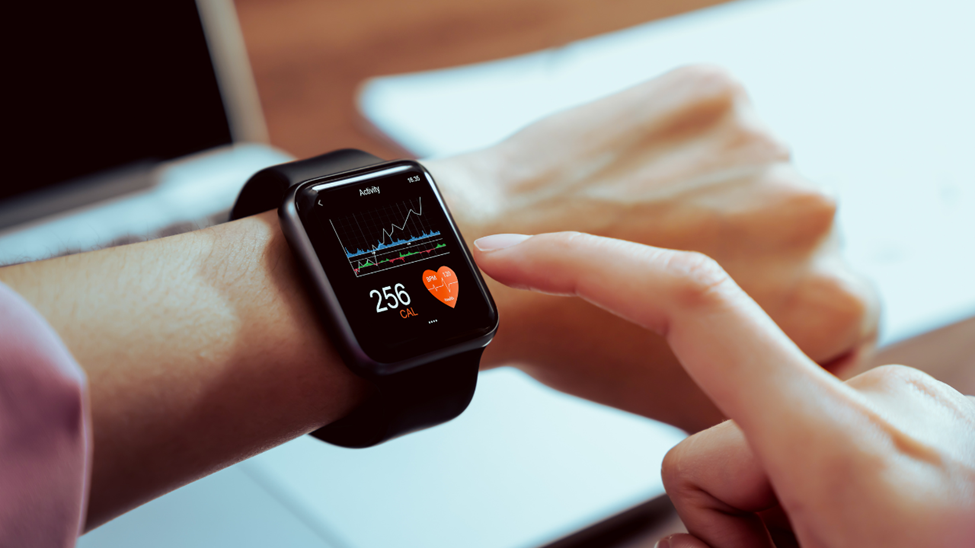
A great tool to support health goals are smart watches and other wearables. They’re great for monitoring overall health, such as heartrate, steps, activity, sleep quality, and oxygen levels.
They can also detect falls, which is incredibly useful when taking care of an older family member. Other tasks these devices can help with include reminders, like when to take medications, and finding your misplaced phone—excellent for people with ADHD.
10. Keep the world out, or bring it in
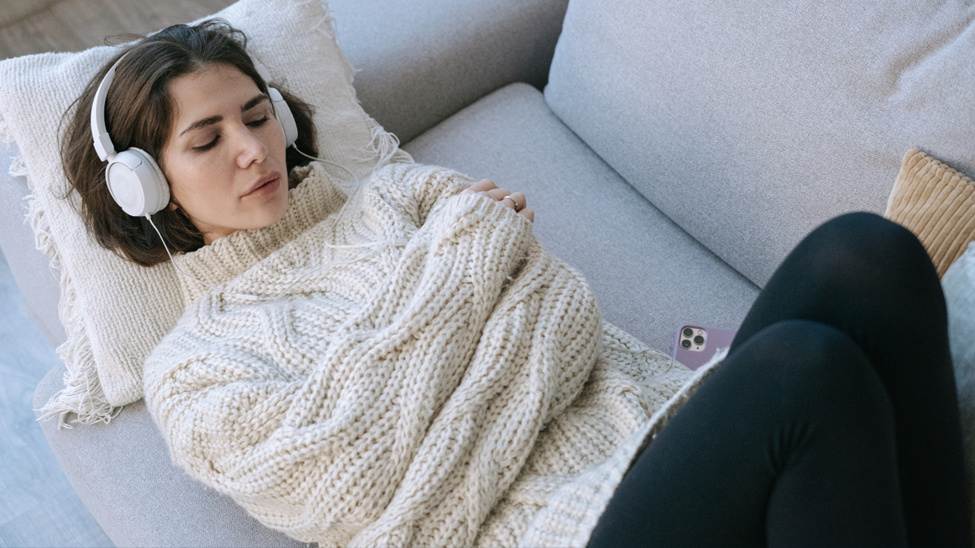
Headphones can be AT! For people with sensory processing differences, like those with autism, headphones can help with regulation and calming. Common ways to do so are to either block out sounds entirely or turn on white noise.
Some headphones or earbuds can also act as sound amplifiers. For people who are hard of hearing, this can be a great way to amplify sounds in busy environments.
Wrap-Up
We hope these tips can assist you in your gift-giving this holiday season! Buying the right present can be a daunting task, especially if you are trying to be thoughtful and considerate. If you need more ideas, here are five more tips:
- Don’t break the bank. You don’t have to get the most expensive items; small, thoughtful items can be just as meaningful.
- What would help you if you were in that situation? For example, if you had arthritis, what kinds of things would be helpful to you?
- Listen to the person you are gifting. If a person with a disability warns you away from a certain item or brand, listen to them—they’ve probably already tried it!
- You don’t have to buy something around their disability! People with disabilities want to be seen as people first.
- Try it before you buy it. Tools for Life, Georgia’s Assistive Technology Act Program, will help you find the right AT fit for you. If you are in the state of Georgia and want to learn more, contact them here or email them at info@gatfl.gatech.edu.
Special thanks to Tori Adamson, Rachel Scarboro, Christie George, and Justin Fuller-Green for their contributions to this article.
