
Alumni in Accessibility RECAP:
Dhaval Patel Knows that Smart Tech Isn't Everything
Lauren Lee | August 31, 2026 – Atlanta, GA
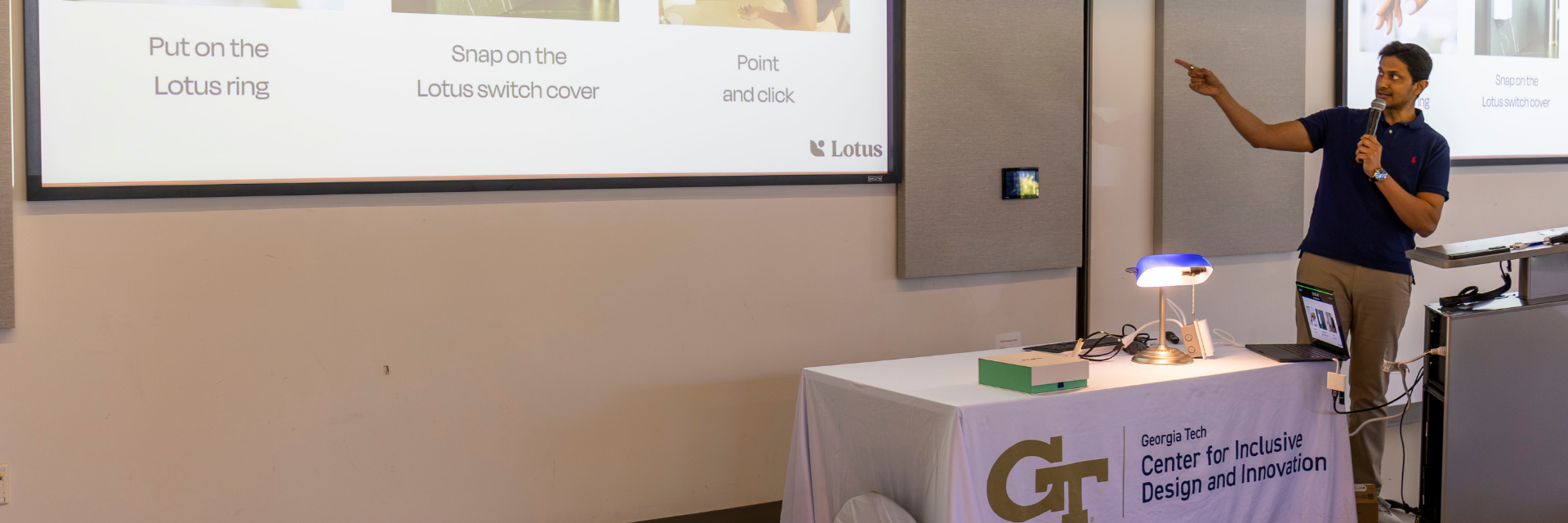
CIDI recently welcomed distinguished Georgia Tech alumni Dhaval Patel, founder of Lotus, back to campus for the inaugural lecture of the Alumni in Accessibility series.
Drawing on his experience at Apple and as a startup founder, Patel shared insights on human-centered design, accessibility, and the importance of understanding the human need behind every technology solution.
Patel began by reflecting on his career journey, which included work on a variety of Apple products and technologies. Throughout his career, the most important lessons centered on understanding users' experiences and designing solutions that address real-world challenges.
The presentation then focused on the development of his start-up, Lotus, a ring designed to make it easier for individuals to control lighting in their homes.
Patel described how a personal experience revealed a common accessibility challenge: many people face barriers using both traditional light switches and existing smart home technologies. Many existing solutions require complex installation, internet connectivity, smartphone apps, or costly upgrades.
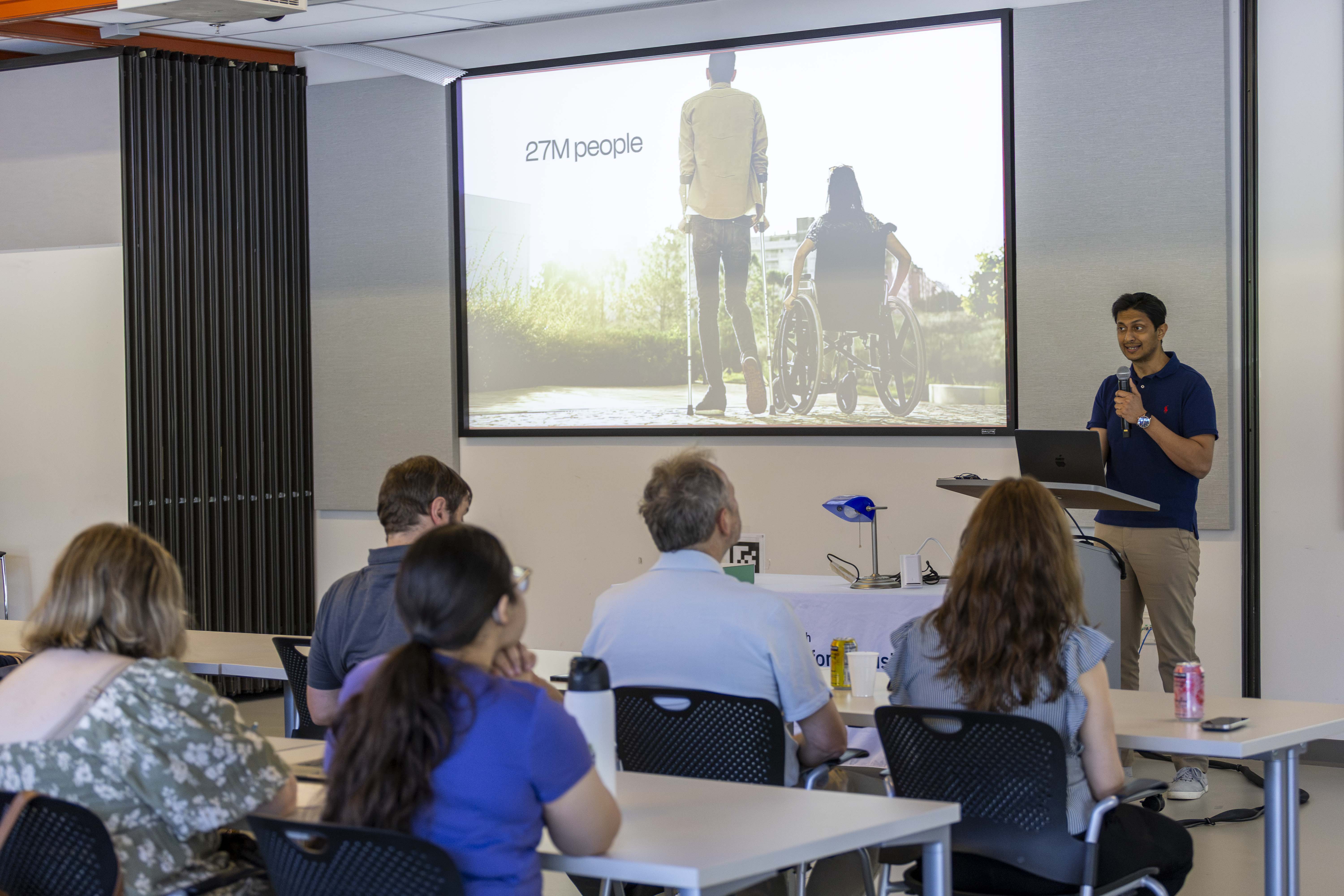
Lotus turns that paradigm on its head. Patel designed it for the “edge case,” or the person who might have the most difficulty using a device. The device can be used with minimal dexterity, can control all lights and switches in a given space, and requires no apps or internet to use.
He also revealed 3 essential questions to ask to keep human-centered design prioritized during the design process:
- Who have you not spoken to?
- Who are you optimizing for?
- Are you iterating with them?
Patel found that he had several different audiences to keep in mind: the end user, who wants independence; the family, who want peace of mind; and staff and/or caretakers, who desire efficiency.
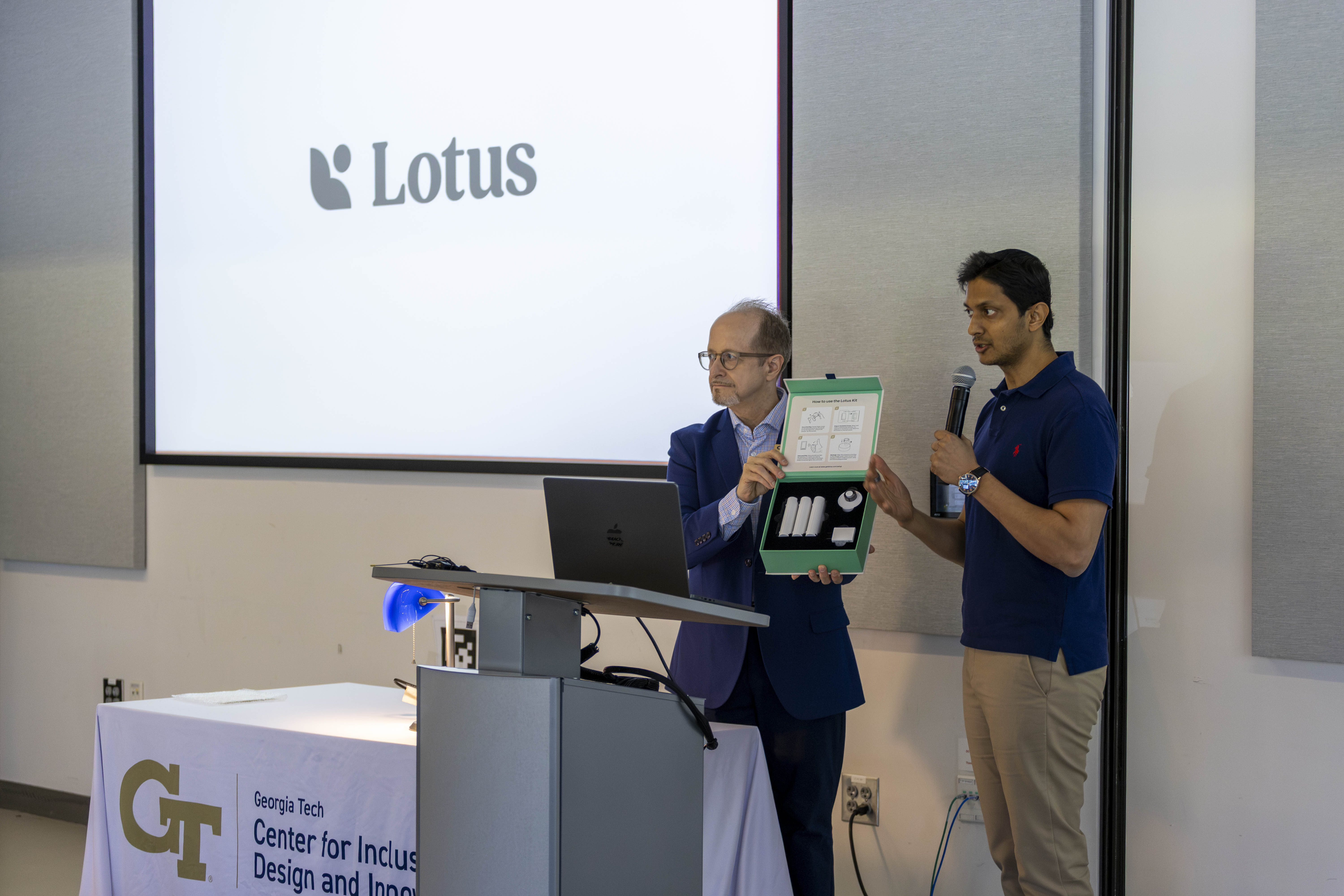
“Every time you modify your project for an edge case, you automatically make it better for everyone,” said Patel, reflecting the principles of Universal Design.
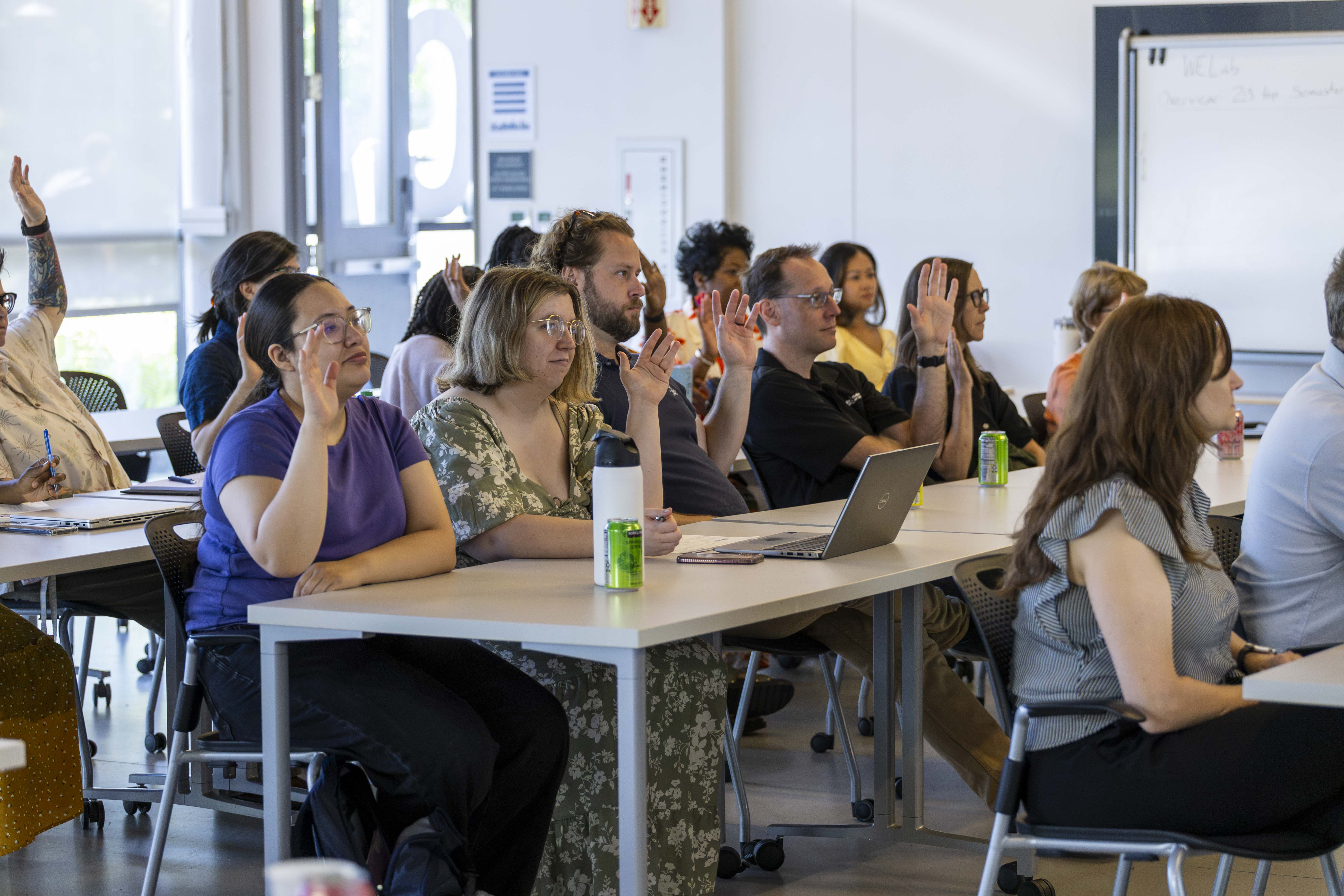
Attendees gained valuable insights into how thoughtful engagement with end users can create a product that works better not just for the edge cases, but for everyone. The phrase “Nothing About Us Without Us,” rings true not just in policy, but for design as well.
“At Georgia Tech, our mission is to develop leaders who advance technology and improve the human condition,” says CIDI Executive Director Bill Curtis-Davidson. “Every day, Georgia Tech alumni like Dhaval are applying their talents to solve real-world challenges and create technologies that make a meaningful difference in people's lives.”
Register for our next speaker series:
